
|
The History of BiodieselSearch this site! 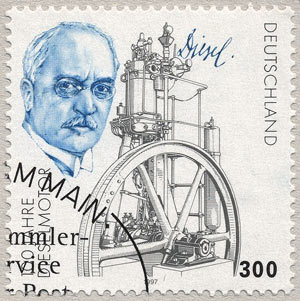 History of the Diesel Engine: History of the Diesel Engine:A great place to begin the history of biodiesel is with Rudolf Diesel - the designer of the diesel engine. In 1900 at the World Fair in Paris Rudolf Diesel was asked to demonstrate running a diesel engine on straight peanut oil. This engine had actually been designed to run on mineral oil, but the French government asked him to run it on peanut oil because peanuts were a major crop within its African colonies. Several decades it is discovered the diesel engine also runs marvelously on biodiesel!
• In 1853 before the diesel engine was ever invented, scientists J. Patrick and E. Duffy successfully transesterified vegetable oil, but found no solid application for their product at that time. • In 1937, G. Chevanne of Belgium obtained a patent for the transesterification of vegetable oils to be used as fuel (biodiesel). • In the late 1970's and early 1980's concerns grew over rising petroleum prices. This concern spurred experimentation with fats and vegetable oils as a source for alternative fuels.
A group of soy farmers were interested in the possibility of marketing their soybeans for alternative fuel production. They formed the National Soy Fuels Advisory Committee in March of 1992. This committee determined that there were several potential markets for biodiesel. The National Soydiesel Development Board (NSDB) was formed in October of 1992 with the intent of commercializing biodiesel. This was a not-for-profit organization. They decided to broaden their support by including other feedstock groups and changed their name to The National Biodiesel Board (NBB). Environmental concerns have had a significant impact on the development of biodiesel as well. The Clean Air Act Amendments of 1990, and the Energy Policy Act of 1992 require the use of a 'clean' fuel in regulated truck and bus fleets. Energy security has also played a role in the growth of biodiesel popularity. The urge to break our dependence on foreign petroleum products is high.
Return from 'History of Biodiesel' to 'Biodiesel FAQ'
|